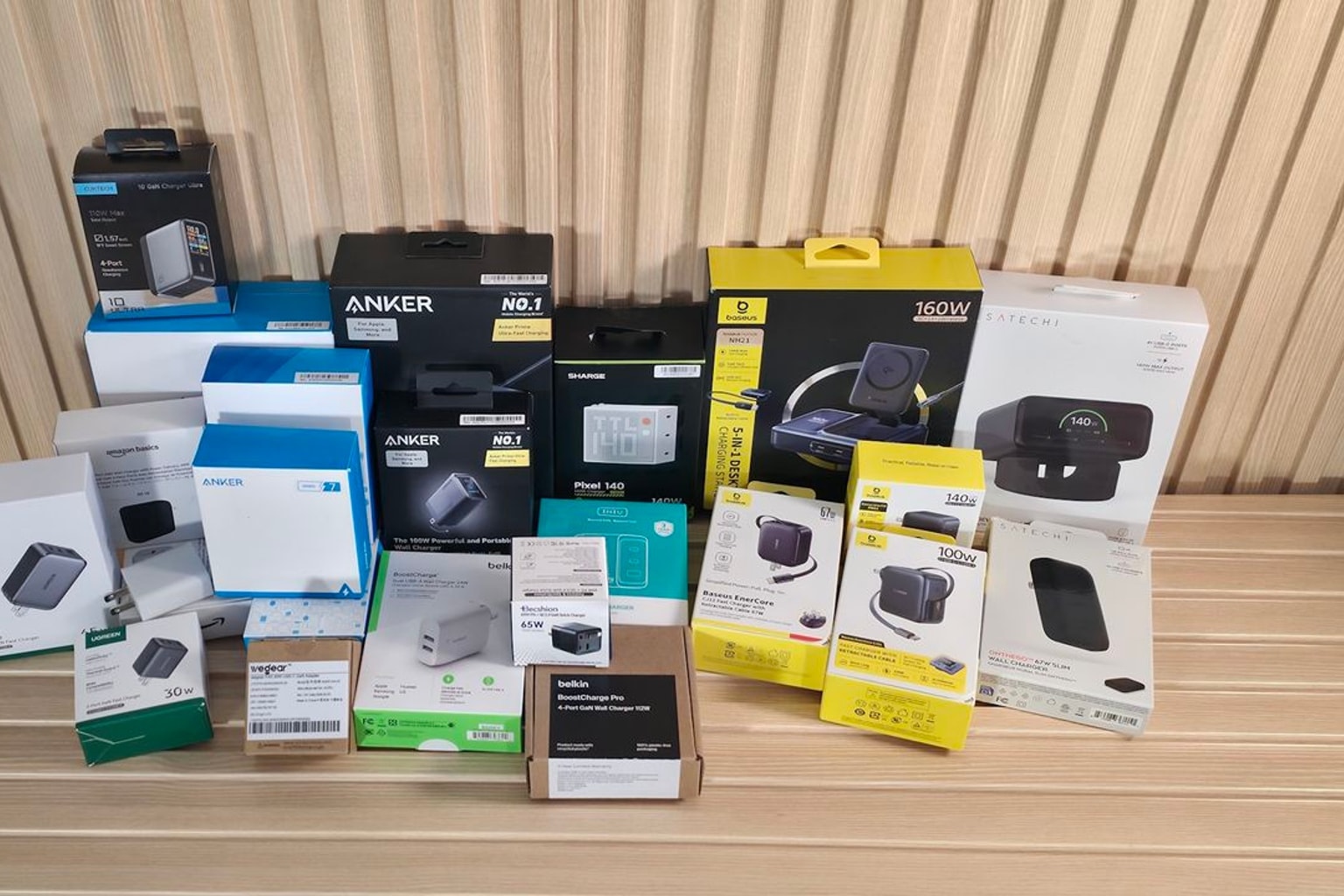
The modern digital lifestyle requires a constant flow of electricity, and the humble power adapter has evolved into a highly sophisticated piece of technology. As we navigate through 2026, the shift toward universal charging standards has fundamentally changed how we power our devices.
Gone are the days of carrying a tangled mess of proprietary cables and bulky power bricks for every individual gadget. Today, the focus is on consolidation, efficiency, and speed.
Recent market signals indicate a significant wave of discounts on these essential accessories, prompting consumers to reevaluate their daily charging setups.
Why it matters
The tech retail space is now experiencing a notable influx of promotions centered around power accessories. According to a recent roundup published by Tom’s Hardware, there is a widespread push highlighting the best USB charger deals of 2026.
These promotions span the entire spectrum of consumer needs, ranging from compact 30W single-port adapters designed for smartphones to massive 100W multi-port stations capable of keeping high-performance laptops running.
This movement is largely driven by the maturation of Gallium Nitride (GaN) technology, which has allowed manufacturers to shrink the physical footprint of chargers while simultaneously increasing their power output and thermal efficiency. As newer, more advanced GaN chargers enter the market, retailers are discounting previous iterations.
Also, mid-year sales events and back-to-school preparations traditionally trigger aggressive pricing strategies in the peripheral market. Consumers are increasingly aware that the standard chargers included with older devices—if they were included at all—are no longer enough to quickly power modern, high-capacity batteries.
The catch
Beyond the attractive price tags, the main question is the complex technical specifications that dictate how these chargers actually perform in the real world. The primary point of confusion often revolves around wattage distribution. When a consumer sees a “100W multi-port charger” on sale, they may incorrectly assume that every plugged-in device will receive 100 watts of power simultaneously. In reality, that total wattage is divided among the active ports, often in highly specific configurations dictated by the charger’s internal circuitry.
People are actively seeking clarity on how to match their specific hardware to the right charger. They want to know if a tiny 30W brick is adequate for fast-charging their specific smartphone brand, or if they need to invest in a higher-tier model.
Also, frequent travelers are looking for the holy grail of tech accessories: a single, lightweight wall adapter that can simultaneously charge a laptop, a tablet, a smartphone, and wireless earbuds overnight without overheating or triggering safety protocols.
What to verify
Before taking advantage of the current wave of discounts, there are several crucial factors that tech buyers must verify. First, shoppers should carefully investigate the power allocation table of any multi-port charger.
This information, usually found in the manufacturer’s detailed specifications, reveals exactly how the wattage drops when a second or third device is connected.
Second, it is essential to verify the safety certifications of the products on sale. While major tech publications generally highlight reputable brands, the broader online marketplace is flooded with uncertified, potentially dangerous electronics.
Look for recognized testing marks such as UL, CE, or ETL to ensure the charger has built-in protections against overcurrent, overvoltage, and overheating. Finally, buyers should check if their existing cables are rated for high-wattage power delivery; plugging a 100W charger into a cheap, legacy cable will bottleneck the charging speed and potentially pose a fire hazard.
For more context on the underlying technology, consumers can explore the USB Implementers Forum guidelines on power delivery standards.
Source trail
Upgrading daily charging hardware is arguably one of the most practical and immediately noticeable tech investments can make this year. Whether are looking to replace a lost adapter with a 30W pocket-sized replacement or aiming to declutter the entire workspace with a 100W centralized hub, the current market offers excellent opportunities to modernize the gear.
This detail matters with anyone whose desk is now cluttered with outdated, slow-charging power adapters, as a single smart purchase can significantly streamline their daily routine.
This overview of the 2026 charging market is based on deal tracking and peripheral market analysis highlighted by Tom’s Hardware in their feature on the best USB charger deals. Additional context about power delivery standards and hardware safety was drawn from general industry guidelines surrounding USB-C and Gallium Nitride technology.