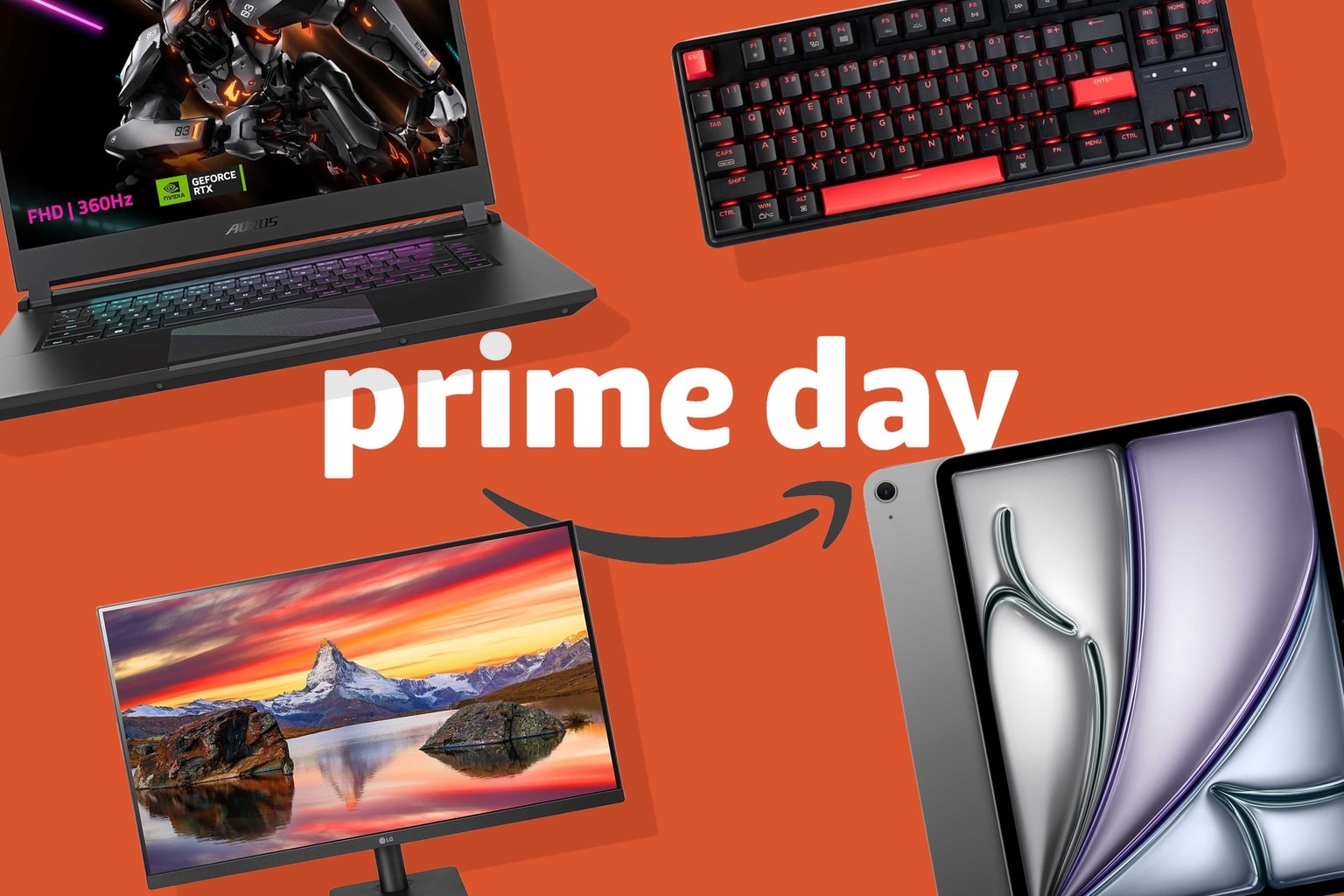
As the summer shopping season shifts into high gear, technology consumers are keeping a close eye on the calendar. With Amazon Prime Day scheduled to run from June 23 to June 26, early promotions are already beginning to surface across the digital retail landscape.
Still, this year’s hunt for a new computer comes with an added layer of financial friction. A recent report highlights a notable upward trend in standard retail pricing for portable computers, prompting bargain hunters to act sooner rather than later to secure viable hardware replacements.
Why it matters
The conversation surrounding these early promotional events is gaining immediate traction due to underlying shifts in the hardware manufacturing sector. According to coverage from the technology publication PCWorld, laptops are becoming noticeably more expensive across the board.
This price inflation is being directly attributed to the rising cost of RAM (Random Access Memory), a crucial component in modern computing that dictates how efficiently a machine can multitask. Because base manufacturing costs are climbing, the standard retail prices for both consumer and professional machines are following suit.
Shoppers who have been monitoring the market for the past few months are experiencing sticker shock, making the promise of early Amazon Prime Day discounts highly appealing. Consumers are eager to find any available avenue to offset these hardware markups before the primary shopping event even begins.
The catch
Beyond the surface-level appeal of a seasonal sale, the main question is whether these early discounts represent genuine savings or merely a temporary rollback to pre-inflation pricing. When base components like RAM become more expensive, manufacturers sometimes alter the baseline configurations of their budget and mid-range tiers, offering less memory for the same historical price point. People are attempting to navigate this complex landscape to ensure they are not buying an underpowered machine simply because it features a prominent red sale tag. Furthermore, shoppers are weighing the risks of purchasing during the early deal phase versus waiting for the official June 23 to June 26 window, wondering if patience will yield deeper cuts or simply result in sold-out inventory. For anyone feeling the sting of recent tech markups, this market context is definitely worth sharing with friends or colleagues who might be holding out for a better bargain on their next digital workstation.
What to verify
While the initial signal points to rising component costs and early sales, several details require further investigation before consumers finalize a purchase. Shoppers and market watchers should verify the following:
- The historical pricing data of specific laptop models using independent price-tracking applications to confirm that the advertised early Prime Day discount is based on a legitimate price drop rather than an artificially inflated manufacturer’s suggested retail price.
- Whether the increased cost of RAM is disproportionately affecting specific categories, such as high-end gaming laptops, or if budget-friendly Chromebooks and entry-level machines are equally impacted by the component squeeze.
- How competing major electronics retailers are responding to Amazon’s early promotional window, and whether direct-to-consumer manufacturers are offering superior configuration upgrades to offset the rising memory costs.
Source trail
The core signal about the rising cost of RAM and the timeline for early discounts originates from PCWorld’s coverage of early Prime Day laptop deals.
For broader context on how hardware component pricing affects consumer electronics, further context appears in industry analyses on semiconductor and memory market trends to better understand the supply chain dynamics at play.
Rising RAM costs are driving up the baseline prices of laptops just as the summer promotional season approaches. With Amazon Prime Day slated for late June, early deals are drawing significant attention from consumers looking to bypass hardware inflation, though careful price verification remains essential to ensure these early markdowns offer true long-term value.